[Anchor]
Following the first round of talks between the United States and Iran, the two sides have agreed to allow nuclear inspections by the International Atomic Energy Agency (IAEA). However, there is still a long way to go regarding concrete agreements, such as whether nuclear dismantlement is feasible and what will happen to the Strait of Hormuz after 60 days.
We begin today, June 23, with a report from correspondent Kwon Yeongin in Switzerland.
[Reporter]
The first high-level talks between the U.S. and Iran regarding the implementation of the previous memorandum of understanding concluded with both sides praising their own achievements.
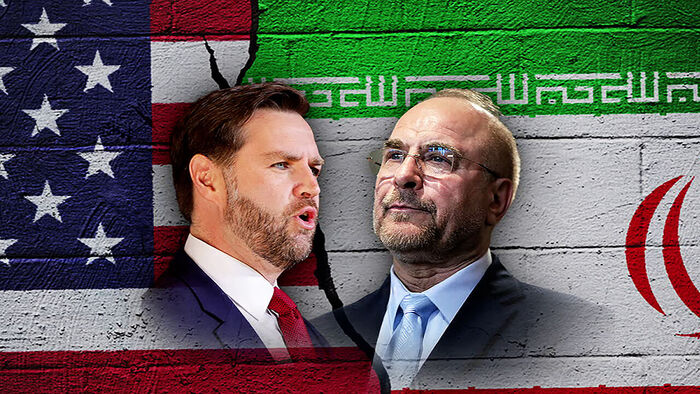
U.S. Vice President Vance, who led the American delegation, highlighted the establishment of a mechanism to keep the Strait of Hormuz open and the creation of de-escalation bodies, such as a channel to prevent conflict between Israel and Hezbollah, as key outcomes of the talks.
He also emphasized the establishment of a working-level negotiation process to continue high-level discussions and, above all, touted Iran's agreement to allow IAEA nuclear inspectors into the country as the most significant achievement.
[J.D. Vance / U.S. Vice President: This agreement is a very important milestone for the American people, and it is the first step toward permanently dismantling or completely ending Iran's nuclear weapons program.]
President Trump also emphasized that Iran would agree to inspections of major weapons facilities to ensure nuclear transparency.
However, criticism has emerged in the U.S. that core issues regarding nuclear dismantlement, such as the disposal of highly enriched uranium, were not discussed in depth.
Iran is even more positive than the U.S.
In particular, it assessed the agreement to create a mechanism with neighboring countries regarding navigation through the Strait of Hormuz as a significant matter.
In fact, the head of the Iranian negotiating team, Parliament Speaker Ghalibaf, immediately visited Oman to hold related discussions.
Iran also emphasized that there had been significant progress on the unfreezing of assets and crude oil exports. Following the talks, the U.S. Department of the Treasury announced that it would allow Iranian crude oil exports for 60 days starting yesterday.
Regarding the acceptance of IAEA inspectors, Iran drew a line, stating that it could only proceed after receiving approval from the Iranian parliament, indicating that it is not an unconditional acceptance of inspections.
Having concluded the first high-level talks, the U.S. and Iran are set to continue working-level meetings at the Bürgenstock Resort this week, with delegations from Qatar and Pakistan also participating.
(Video reporting: Kim Si-nae, Video editing: Kim Byeong-jik)
※ Please note: This article was translated by AI and may contain errors.
"Agreement Reached on Return of IAEA Inspectors"... Iranian Negotiator Heads to Oman
By Kwon Yeongin | Jun 23, 2026